Från 1923 till idag.
En resa till fots i flera generationer.
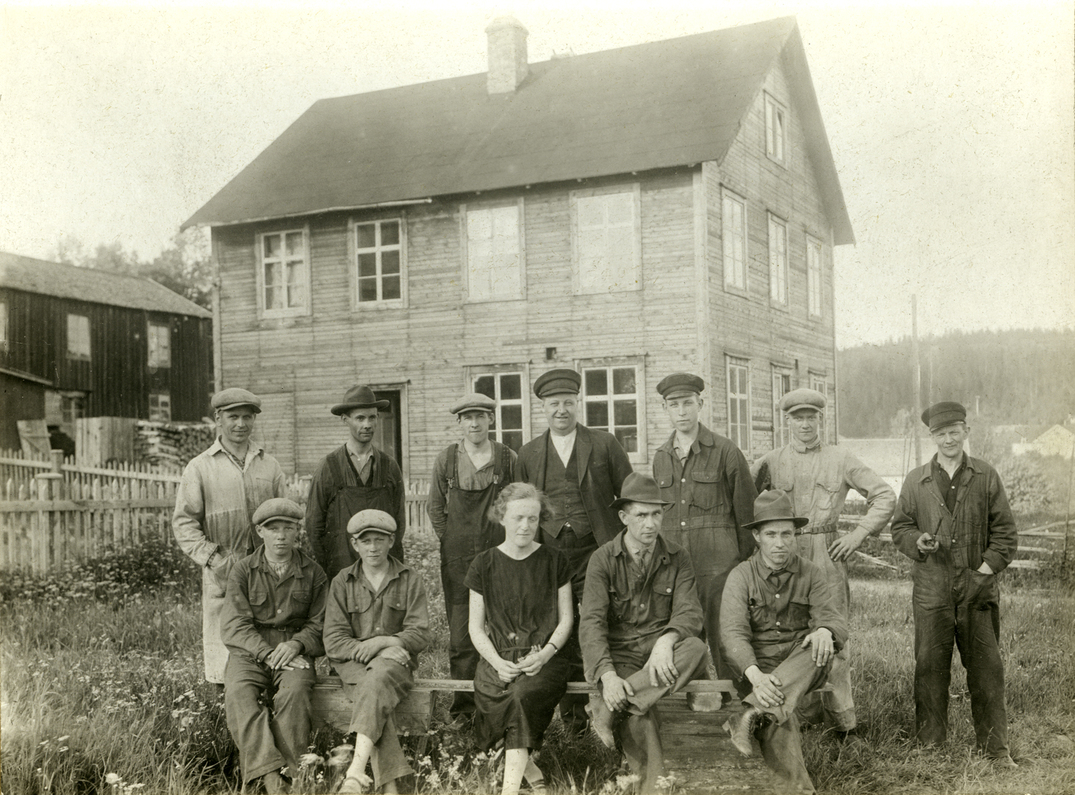
För många år sedan, närmare bestämt 1923, bestämde sig bröderna Per och Olle Nylund att starta en skofabrik i den norrländska byn Bjästa. Bröderna var hantverksmässigt mycket duktiga och de arbetade ständigt med att förbättra sina färdigheter. Med sina 10-tal anställda (se bilden nedan) arbetade de hårt vilket lönande sig och snabbt blev AB Bjästa Skofabrik känd både lokalt och nationellt och företagets producerade skor började skickas över hela Sverige. Skor var på den tiden något som folk var rädda om och vårdade noga. Många valde att underhålla, reparera och laga sina skor hos bröderna Nylunds. De skulle trots allt räcka i många år och många mil då de flesta människor gick till fots än vart de skulle.
Företaget fortsatte att växa med fler anställda. Skofabriken hann nu både reparera skor och tillverkade nya från grunden. Rejäla och slittåliga kängor fanns ofta på hyllorna hos bröderna Nylunds. Även finare skodon och fotbollskor. De stod för kvalité och hantverksskicklighet. Det fanns gott om råvarumaterial till skotillverkningen och ett flertal mindre garverier i byarna runtomkring som kunde bereda skinnen till läder.
Bröderna Nylund härstammade från Anundsjö och ett av garverierna där drevs av Johannes Elfving i början av 1900-talet. Med tiden började även Elfving att tillverka skor. Han hade en bra tillgång till läderhudar och ett eget garveri som säkrade tillgången till råvara. Verksamheten växte och flyttades senare till Örnsköldsvik och det som numera kallas för Kulturfabriken som idag sitter ihop med stadens resecentrum. Elfvings skofabrik kommer att spela en stor roll i vår företags historia.
År 1901 föddes Ivar Königson i Örträsk, en liten by i Västerbotten. När Ivar var sjutton år kände han sig redo att lämna tryggheten därhemma och upptäcka världen. Tillsammans med en vän begav de sig på ett äventyr till fots och siktet var inställt norrut mot Ryssland. Sträckan var på över 100 mil och de båda vännerna fick jobba i byarna i utbyte mot mat och husrum.
Väl framme vid den ryska gränsen uppstod en del tvivel och Ivar bestämde sig tillslut för att vända om medan hans vän fortsatte resan mot Moskva. Ivar påbörjade istället den långa vandringen tillbaka till Sverige. Han följde kusten söderut mot Stockholm och väl framme i huvudstaden fick han snabbt arbete men han trivdes aldrig riktigt i Stockholm. Ivar saknade naturen och lugnet i norr och efter en tid fick han nog och började vandra hemåt igen.
När Ivar tillslut kom fram till Nordingrå, en liten by mitt i världsarvet Höga Kusten, fick han jobb som fiskardräng i ett fiskeläge som hette Norrfällsviken. Ivar var en mycket driftig man och efter några år slog han sig ihop med en fiskare och startade en rök- och konserveringsverksamhet som hette Königson och Nordlander. Den drevs några år i slutet av 20-talet. Under samma period tog skotillverkningen fart i området. I närliggande byar började skofabriker att byggas och en ny industri växte fram i området runtom i Höga Kusten. Ivar blev tidigt intresserad och tog anställning på en av fabrikerna för att lära sig mer, trots att han redan kunde en hel del om vikten av sköna skor efter alla mil till fots. Med tiden blev entreprenörsandan och drivkraften att fortsätta utveckla sitt eget företag för stor.
Tillsammans med en kollega på skofabriken i Mjällom bestämde Ivar Königson och Jacob Wedin sommaren 1946 att köpa bröderna Per och Olle Nylunds hantverkskunniga skofabrik i Bjästa. Ivar och Jacob började planera flytten av verksamheten till Dockstas handelsbod där det fanns större utrymmen för företaget att fortsätta växa och bytte samtidigt namn till Docksta Skofabrik. Tyvärr fick vännerna en mycket dålig start och i januari 1947 brann handelsboden ner endast ett fåtal veckor innan invigningen. De hade investerat sina livsbesparingar i företaget och även om det var ett hårt slag var de inte beredda att ge upp. Ivar och Jacob satte genast igång att leta en ny lokal och tack vare att försäkringsbolaget snabbt betalade ut pengarna kunde företaget inviga sina nya lokaler endast ett halvår senare.
Elfvings skofabrik hade samtidigt fortsatt att växa i Örnsköldsvik och 1954 förvärvade Docksta skofabrik företaget och blev genom uppköpet Norrlands största skofabrik. Företaget fortsatte att växa med fler anställda och en allt större produktion. Ivars son Torsten började på heltid i företaget 1959 och när Ivar gick bort 1967 tog han över styrningen av företaget. Några år senare tog även Gunnar, Jacob Wedins son, över efter sin far och nu var det andra generationen Königson och Wedin som drev företaget vidare och de hade stora planer för Docksta skofabriks expansion.
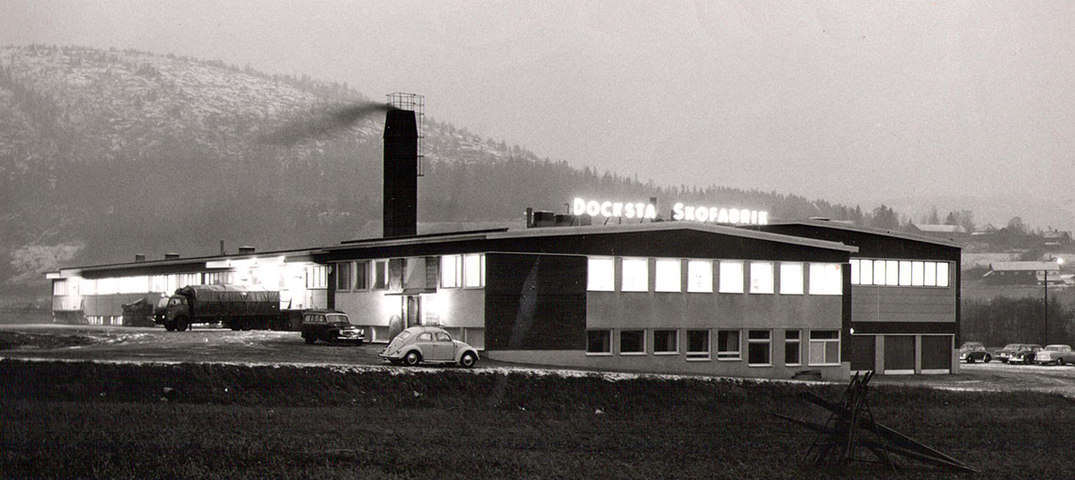
Under slutet på 50-talet växte företaget kraftigt genom flera uppköp av andra skofabriker och antalet anställda pendlade mellan 160 och 200 anställda. Efterkrigstiden medförde en stor oro och Försvaret upprustade kraftigt som till exempel en order på 250.000 marschpjäxor 1959 vilket var den största ordern företaget landat. Då bestämde sig Königson och Wedin för att satsa fullt ut och bygga en ny skofabrik. Den nya fabriken kunde invigas i mars 1966 och har tjänat företaget väl under alla dessa år.
Under 50-talet började det bli mer populärt att bära inomhusskor. Docksta sko tog fram en design på inomhustofflor, eller så kallade slippers, som fick namnen Gunilla och Patrik som var populära namn på den tiden. Några år senare kom även en barnslippers med namnet KarlAstrid som var namnen på vår designers barn. Patrik, Gunilla och KarlAstrid är fortfarande våra mest sålda produkter.
Slippers blev en alltmer trendig inomhussko på 70-talet och såldes till främst grossister och varuhus runtom i landet. Även internationella återförsäljare hörde av sig från främst England och USA och tusentals par exporterades. Samtidigt tog Docksta sko fram en ny modell med gummisula, det vi kallar clogs, vilket blev en försäljningssuccé inom främst sjukvården både i Sverige och utomlands.
På slutet av 70-talet märktes det hur det gick allt sämre för den svenska skoindustrin. Alltfler flyttade sin produktion till Sydeuropa där arbetskraft och material var billigt. Men även en ökad import av varor gjorde det allt svårare att hålla priserna och konkurrera med internationella varumärken. Docksta sko klarade sig rätt bra trots allt, mycket tack vare de stora ordrarna som lades kontinuerligt från Försvaret. Men när det upphörde på 80-talet fick även vårt företag stora problem. Fabriken kunde inte längre sysselsätta sina anställda och 1991 var konkursen ett faktum. Då fanns cirka 70 medarbetare på fabriken, de flesta bodde i Docksta med omnejd vilket var ett hårt slag mot bygden.
Invånarna i Docksta blev mycket upprörda över nyheten. De vägrade se fabriken läggas ner och 1992 köptes konkursboet av lokalföreningen DUAB, Docksta Utveckling AB. Torstens son, Stefan Königson hade 10 år innan konkursen börjat arbeta i företaget på heltid och några år innan hade Gunnar sålt sin del i företaget. Företaget delades upp i ett försäljningsbolag som Stefan ansvarade för och ett produktionsbolag som ansvarade för tillverkningen och ägdes av DUAB fram till 2005 då Stefan valde att köpa tillbaka produktionsbolaget och var nu återigen ensam ägare till hela Docksta sko.
Stefan, som nu var tredje generationen Königson att driva Docksta sko, var tidigt ute med att sälja direkt till kunderna genom webbförsäljning och egen fabriksbutik. Produktionen var betydligt mindre än tidigare men han förde traditionen vidare med svensktillverkade slippers av god kvalité. När Stefan började närma sig 60 funderade han över företagets framtid. Hans barn hade valt andra karriärer och han ville att företaget och produktionen skulle få leva kvar i Docksta med rätt köpare.
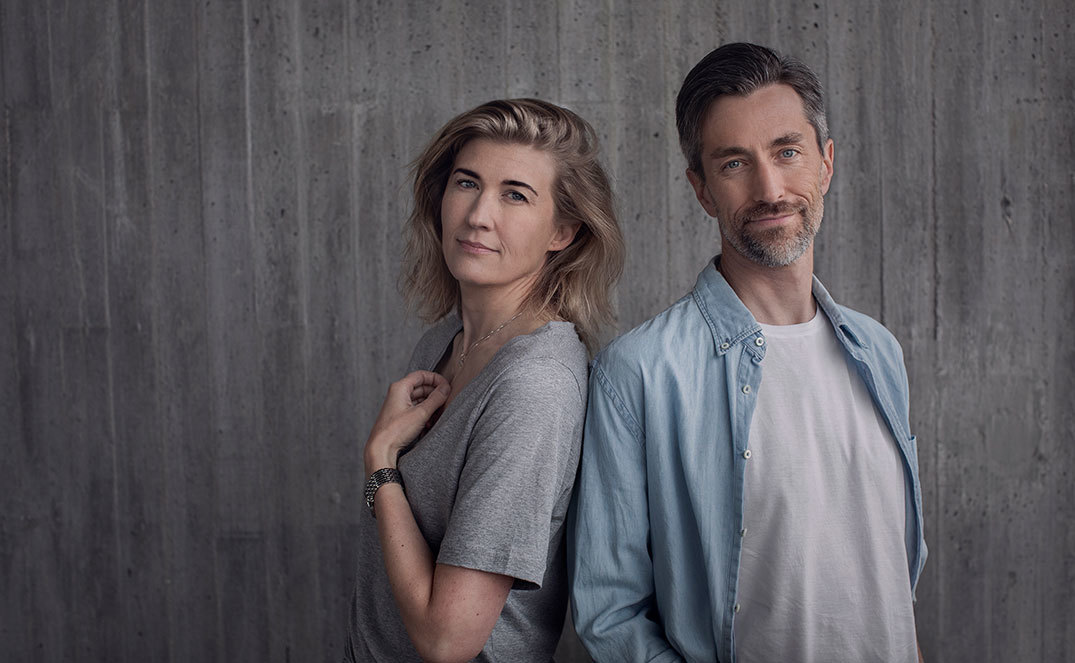
Lisa och Andreas Edin från Örnsköldsvik, hade under samma period sökt efter ett producerande företag att förvärva. Lisa med rötterna både i Anundsjö och Ullånger kände till både historien från hennes hemby med Elfvings garveri i Näsbacken i Bredbyn och Docksta skofabrik som hon passerat så många gånger på vägen till morföräldrarna i Ullånger. Med en stor längtan efter att få arbeta med en produktion och en kärlek till hantverket var magkänslan god inför förvärvet av Docksta skofabrik som skedde år 2015.
Nu står vi inför vårt livs största satsning med att återigen bygga en ny skofabrik i Docksta vid foten av Skuleberget. Precis som Ivar och Jacob förmodligen kände finns en stor portion förväntan inför vår satsning. Men även ett visst mått av nervositet när vi precis har genomlevt en pandemi och vi återigen har ett krig i Europa. Världen skakar och vi ska möta vår största utmaning klimatomställningen. Vi ska producera färre produkter på ett miljövänligare sätt som ska hålla längre. Samma tanke som vi tror att bröderna Nylund i Bjästa hade kring lång hållbarhet på produkterna.
Vårt team består av människor från olika delar av världen och vi tror på en framtid tillsammans. Ett starkt integrerat Sverige med livskraftiga små och stora företag. En svensk produktion där vi har som ambition att köpa mycket av vårt råvarumaterial från närområdet och frakta våra färdiga varor med miljövänliga alternativ. Docksta sko är ett litet familjeföretag med ett stort hjärta och engagemang. Vi hoppas att ni känner det och att vi får möjlighet att mötas.
Lisa & Andreas Edin
Skofabrikörer